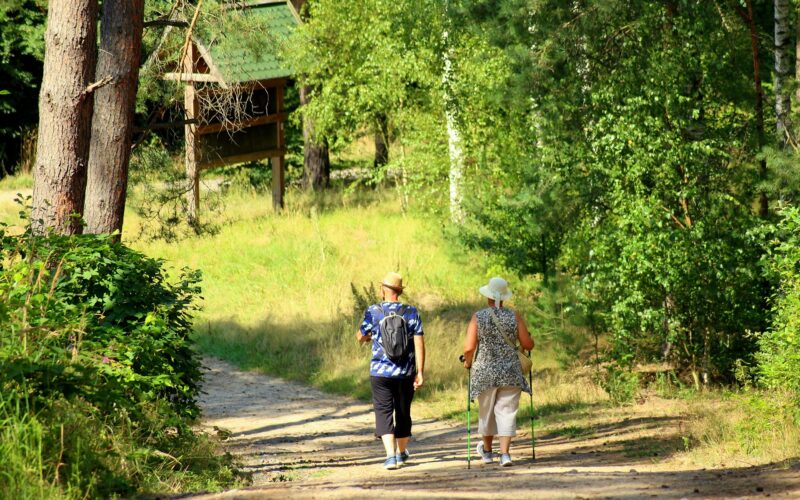
Retirement marks a monumental shift in daily life. For decades, your schedule was likely dictated by the demands of a career, the school run, or managing a household. When those external pressures vanish, the sudden abundance of free time can feel both liberating and slightly disorienting. Without the structure of a workday or the necessity of a commute, it is surprisingly easy to slip into a sedentary lifestyle. However, this new chapter offers a unique opportunity to redefine your health and wellbeing, not just as individuals, but as a team. Viewing fitness as a shared project can transform exercise from a solitary chore into a source of connection, ensuring that your later years are as vibrant and active as possible.
Harnessing the power of mutual accountability
One of the greatest hurdles to maintaining a fitness routine is consistency. When you are the only one responsible for getting yourself out the door on a rainy Tuesday morning, it is all too easy to hit the snooze button. This is where active ageing with a partner becomes a powerful strategy. By committing to move together, you create a built-in support system. On days when your motivation wanes, your partner’s enthusiasm can be the nudge you need, and vice versa. This accountability goes beyond just showing up; it fosters a shared sense of accomplishment. Celebrating small victories, such as completing a long hike or mastering a new yoga pose, strengthens your emotional bond while improving your physical health.
Adapting exercises for longevity and safety
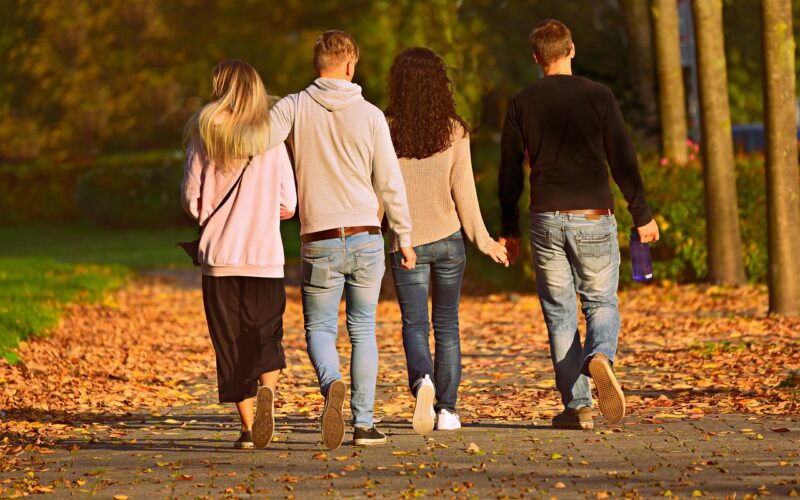
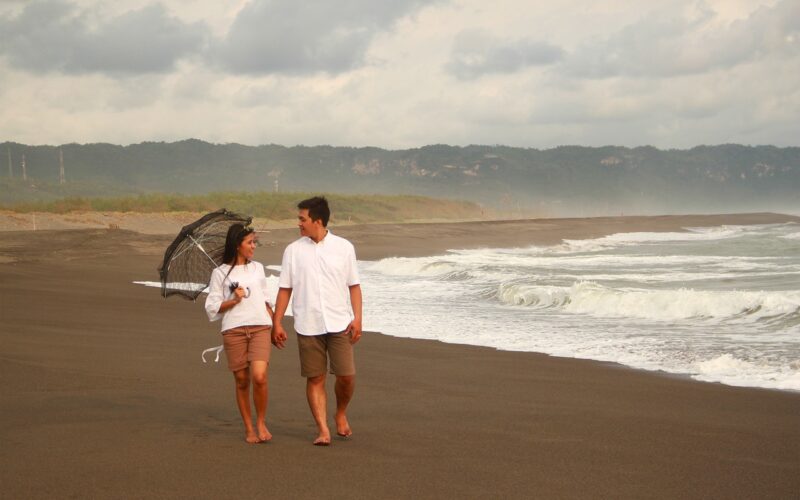
As we age, our bodies naturally require a different approach to physical exertion. The high-impact activities of your thirties might not be suitable or enjoyable in your sixties and seventies. Transitioning your routine together involves finding activities that respect your current physical capabilities while still providing health benefits. Walking remains one of the most effective and accessible forms of exercise for couples. It requires no special equipment, can be done anywhere, and allows for conversation. Swimming and aqua aerobics are also excellent choices, offering resistance training without placing stress on ageing joints. By exploring these low-impact options together, you can protect your mobility and reduce the risk of injury.
Focusing on functional fitness
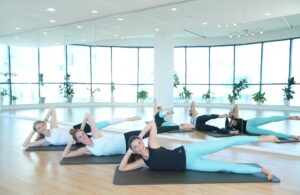
While aesthetics may have driven fitness goals in the past, retirement is the ideal time to shift the focus towards functional fitness. This type of training prioritises movements that help you perform daily activities with ease, such as carrying groceries, gardening, or playing with grandchildren. You might consider joining a Pilates or tai chi class together, both of which are fantastic for improving balance, flexibility, and core strength. Improving your balance is particularly crucial as it significantly lowers the risk of falls later in life. Learning these movements alongside your partner allows you to spot one another and ensure you are both performing exercises safely and correctly.
Navigating different fitness levels
It is rare for two people to have exactly the same level of fitness or the same physical limitations. One partner might be ready for a brisk five-mile walk, while the other may struggle with knee pain after two. Navigating these differences requires patience and open communication. It is vital to find a middle ground where both partners feel challenged but not overwhelmed. This might mean compromising on the pace of a walk or choosing activities that can be modified to suit different abilities, such as cycling, where gears can assist with harder terrain. Respecting each other’s physical boundaries ensures that exercise remains a positive experience rather than a source of friction or competition.
Embracing the next chapter together
Ultimately, keeping moving in retirement is about more than just maintaining muscle mass or cardiovascular health; it is about investing in the quality of your shared future. A commitment to active ageing ensures that you both have the energy and vitality to travel, explore new hobbies, and enjoy the freedom you have worked so hard to achieve. By establishing a routine that prioritises movement, you are not just looking after your own health, but you are also caring for your partnership. Start small, keep the conversation open, and remember that every step you take together is a step towards a healthier, happier retirement.